Sofa Bed Size
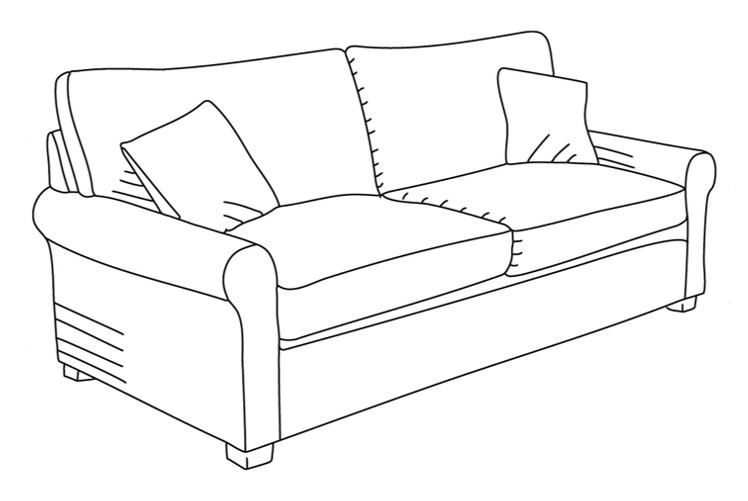
| Sofa Bed Dimensions | General width (Approx) | Bed length (Approx) | Suitable For |
|---|---|---|---|
| Chair Sleeper Sofa | 36.5" | 77.2" | single guest or small areas. |
| 2-Seat Sofa Bed | 55" to 85" | 75" to 80" | Smaller living spaces like flats, snugs or even as an additional piece of furniture in bedrooms.. |
| 3-Seat Sofa Bed | 75" to 90" | 75" to 80" | Larger rooms, they’re equally as comfortable as a traditional bed and will make the perfect addition to either your living room or spare room. |
| Sectional Sofa Beds | 85" to 105" | 75" to 80" | Suitable for small spaces / apartments, frequent overnight guests, luxury / primary bed alternative |
| Sofa Bed Size Chart Reference Information : BedSizes.com | |||
About Sofa Bed Size
How to choose the right sized sofa bed for the living room?
1. Measure Your Room (and Don’t Forget Bed Mode).
Choosing the best sleeper sofa starts with measuring the available floor space in your living room. Both the measurements of the sofa and pull-out bed are important, as you'll need enough room in front to unfold the mattress. The last thing you need is a pull-out sofa that can't be pulled out because you forgot to take a few essential measurements.
Here are our tips for effective measuring and placement:
① Provide at least 36"–40" of extra space in front of the bed to extend.
② Take note of narrow walkways or hallways and be sure to leave enough space for movement when the bed is extended.
③ For the best experience when watching TV or entertaining guests, consider the proximity and placement of other furniture like your coffee table, rug, or TV stand.
A high-quality mattress paired with a solid wood frame ensures a supportive surface and elevates the overnight experience. Overall, you should avoid the overly soft, thin, or thicker mattresses found in other sleepers, as these low-quality products can sag over time, reducing sleep quality for guests.
2. Match Sofa Bed Size to Guest Needs.
Will you be sleeping one guest, or two? Different sofa bed and mattress sizes serve different needs, which is why you should always consider yours. Here’s how to match the mattress type with your intended usage:
① Twin sleeper sofas: Mainly found in smaller chair sleepers, this option is excellent for small apartments or occasional use by one guest. However, while the small size is ideal for tiny spaces, it may not be adequate for larger family parties.
② Queen-size sleeper sofas: The most popular size—able to comfortably sleep two guests—this option is spacious, yet compact, with a variety of mattress options.
③ Sectional sofa beds: While often also including a queen-sized mattress, sectional sofa beds also feature built-in storage space and reversible chaises for dual-purpose functionality.
A high-quality mattress paired with a solid wood frame ensures a supportive surface and elevates the overnight experience. Overall, you should avoid the overly soft, thin, or thicker mattresses found in other sleepers, as these low-quality products can sag over time, reducing sleep quality for guests.
3. Balance Mattress Comfort with Sofa Size.
Once you've determined the ideal size for your sofa sleeper, the next step is to choose the best sleeper sofa mattress. Most sleeper sofas come with some type of mattress, but researching what type it is, and if you can substitute alternatives, is essential for creating maximum comfort without adding bulk that crowds your room.
Recommends:
High-density foam mattresses: Lightweight, but still dense enough for proper support, this type of mattress is ideal for convertible sofas.
Memory foam mattress topper: Supportive, breathable, and compact, memory foam mattress toppers allow you to add additional comfort without additional bulk.
A high-quality mattress paired with a solid wood frame ensures a supportive surface and elevates the overnight experience. Overall, you should avoid the overly soft, thin, or thicker mattresses found in other sleepers, as these low-quality products can sag over time, reducing sleep quality for guests.
4. Consider the Seat Depth, Back Cushions, and Upholstery.
Even when your sofa bed is tucked away, it still needs to function in your space as a comfortable couch. Doing so requires the seat cushions, back cushions, and seat depth to all align with your living room's space needs.
For example, a reversible sectional provides optimal seating in a room where the chaise can only fit on the left side, rather than the right. A nonconvertible option wouldn't give you this flexibility, and you'd have to choose a smaller size.
You should also consider upholstery options, as creating a spacious sleeping space requires style, durability, and easy cleaning.
5. Match Your Layout and Style.
Mathematical measurements are helpful, but ultimately, it's important to consider your existing decor and layout before choosing a sofa bed. After all, a poorly-sized or styled piece can disrupt the flow of traffic in the living room, making the space feel even smaller.
Here are some tips for matching your new sofa bed to your unique layout and style:
Consider color: Part of cohesive decor is choosing a cohesive color palette, especially when light colors can make your room look even bigger.
Clean Lines: When you have a narrow or small space, furniture with clean lines help to not overwhelm the room.
Extra Storage: De-clutter and create even more space to roam by choosing sofa beds that include storage space for fitted sheets, pillows, throws, and more.
6. Test for Dual Comfort (If Possible).
If shopping in-store:
Sit on it like a sofa: Is the seat depth comfortable? Are the cushions supportive? Is the back height right?
Lie on it like a bed: Extend the mechanism. Actually lie down on the mattress for a few minutes. Is it long enough? Is it too thin or too firm? The mechanism should operate smoothly.