Bed Bugs
About Bed Bugs
What Are Bed Bugs?
Bed bugs (Cimex lectularius) are small, wingless, parasitic insects that feed exclusively on the blood of warm-blooded animals, primarily humans. They are nocturnal, excellent hitchhikers, and are a global problem, affecting places from luxury hotels to suburban homes.
1. Biology & Behavior.
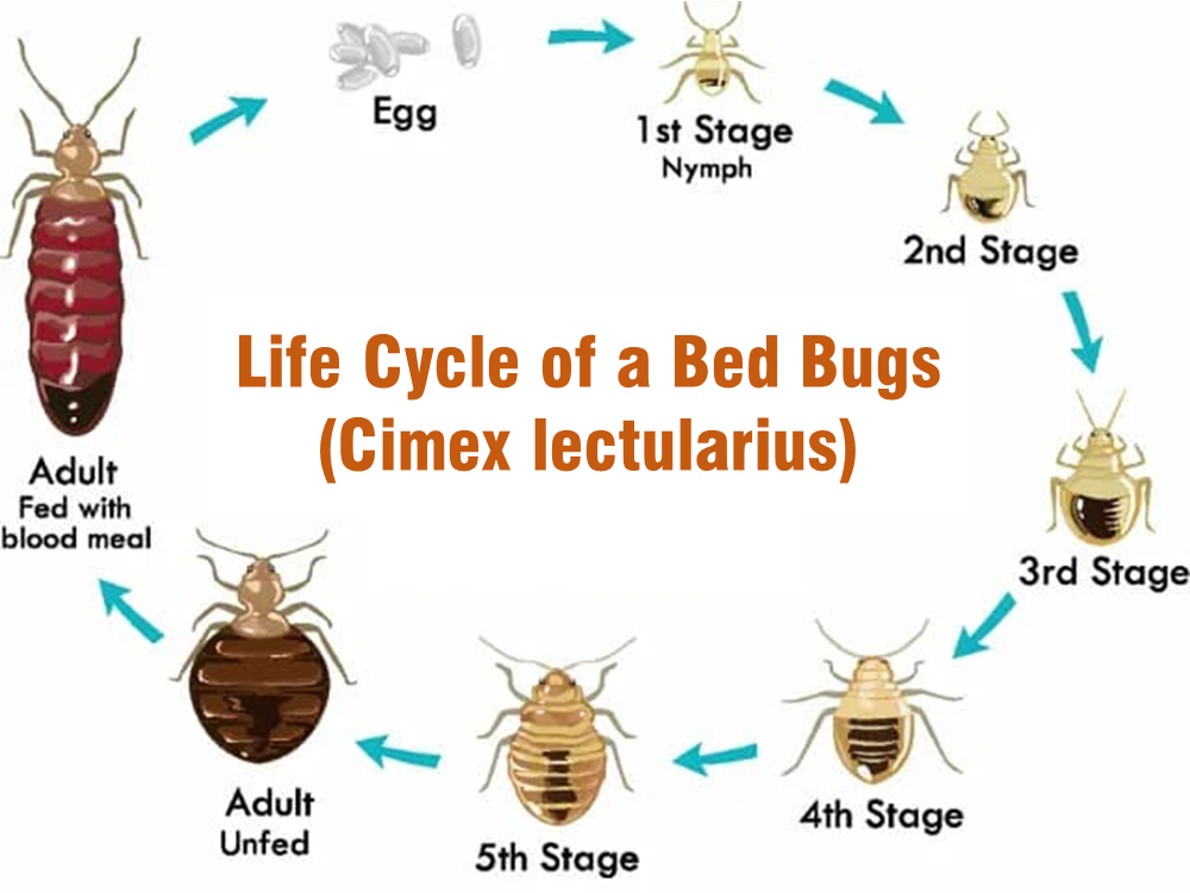
Life Cycle: They go through egg, nymph (5 immature stages), and adult stages. Nymphs require a blood meal to molt. Adults can live 6-12 months and survive months without feeding.
Feeding: They are attracted by body heat and carbon dioxide. Feeding takes about 5-10 minutes. They typically feed every 3-7 days.
Hiding Places: They are cryptic. During the day, they hide in seams of mattresses, box springs, bed frames, headboards, cracks in furniture, behind wallpaper, and in electrical outlets. They prefer to be within 5-8 feet of where people sleep.
2. Identification.
Size & Color: Adults are about the size of an apple seed (4-5 mm long), flat, oval, and reddish-brown. After feeding, they become swollen, longer, and darker red.
Nymphs: Tiny (pinhead-sized), translucent or pale yellow. Hard to see until they feed and a dark spot of digested blood appears in their abdomen.
Eggs: Tiny (1mm), pearly-white, and laid in clusters, often in crevices.
Early signs of bed bugs?
Early detection is crucial for controlling a bed bug infestation before it becomes widespread and difficult to manage. Here are the early signs to look for, ordered from most common to more subtle.
1. Bites on Your Skin.
Often the first warning sign, but they can be mistaken for mosquito or flea bites.
· Pattern: Bites often appear in a line, cluster, or zigzag pattern (sometimes called "breakfast, lunch, and dinner").
· Location: Commonly on areas exposed while sleeping: face, neck, arms, hands, and legs.
· Appearance: Small, red, itchy welts. However, note that some people have no reaction at all.
2. Blood Stains on Bedding.
Small, rust-colored or reddish stains on your sheets, pillowcases, or mattress.
Cause: These are caused by crushing an engorged bed bug after it has fed, or from minor bleeding from the bite site.
3. Fecal Spots (The Most Telltale Sign).
Tiny, dark brown or black marks that look like a dot from a fine-tip marker.
· Appearance: Small, dark, and often bleed into the fabric like a stain.
· Location: On mattress seams, tags, box springs, bed frames, headboards, nearby walls, or furniture. They may also appear in clusters.
4. Live Bed Bugs.
The insects themselves. In the early stages, you'll typically see nymphs (juveniles), which are:
· Tiny (1-3mm), translucent, or pale yellow.
· Hard to see until they've fed and become reddish.
Adult bed bugs are about the size of an apple seed (4-5mm), brown, and oval-shaped. They become reddish-brown after feeding.
5. A Musty, Sweet Odor.
In established infestations, bed bugs release pheromones.
Smell: A distinct, sweet, musty odor, often compared to rotten raspberries, moldy shoes, or coriander.
This is usually only noticeable in heavy infestations, but sensitive noses might detect it earlier.
how to get rid of bed bugs?
Getting rid of bed bugs is a systematic and often difficult process that typically requires a combination of methods and, in most cases, professional help. Here is a detailed, step-by-step guide.
Core Principle: Integrated Pest Management (IPM). Do not rely on a single method. Combine chemical, thermal, physical, and preventive measures.
1. Prepare for Treatment (This is CRITICAL).
Professional treatment will fail without proper preparation.
① Declutter: Remove piles of clothes, papers, and items from floors and under beds. This eliminates hiding spots.
② Launder & Heat-Dry: Bag all bedding, clothing, curtains, and stuffed animals directly at the infested site. Seal the bags and take them to the washer.
Wash in hot water (at least 120°F / 49°C) and dry on the highest heat setting for at least 30 minutes.
Keep cleaned items in new, sealed plastic bags until the infestation is cleared.
③ Vacuum Thoroughly: Vacuum mattresses, box springs, bed frames, carpets, and baseboards. Use the crevice tool.
Immediately after vacuuming, remove the vacuum bag/canister contents, seal in a plastic bag, and dispose of it outside in a trash bin.
④ Disassemble & Expose: Take apart bed frames. Stand up box springs and mattresses. Pull furniture away from walls.
⑤ Seal & Discard: For items that cannot be treated (e.g., heavily infested, broken furniture), seal them in plastic, mark them as "BED BUGS," and dispose of them responsibly to prevent spreading.
2. Choose and Execute Treatment Methods.
Strongly Consider a Professional: Licensed Pest Control Operators (PCOs) have access to more effective tools and know how to use them safely. They will typically use a combination of the following:
Professional-Grade Methods:
① Heat Treatment (Most Effective Single Treatment):
Professionals use specialized heaters and fans to raise the temperature of the entire room/home to 120-135°F (49-57°C) and maintain it for several hours. This kills all stages, including eggs, in one day. No chemicals are used.
② Insecticide Application:
· Residual Sprays/Dusts: Applied to cracks, crevices, voids, and behind baseboards where bugs hide. They remain active for weeks. Never use these on sleeping surfaces.
· Non-Residual Contact Sprays: Used for immediate knockdown during treatment.
· PCOs will use a mix of products with different modes of action to combat pesticide resistance. This is not a one-time spray.
③ Steam Treatment:
Using a commercial steamer (reaching >160°F / 71°C) on mattresses, furniture seams, and baseboards can kill bugs and eggs on contact. Requires slow, careful application.
④ Mattress & Box Spring Encasements:
After treatment, encase your mattress and box spring in specialized, bed-bug-proof zippered encasements. They trap any remaining bugs inside to die and prevent new infestations. Leave them on for at least 1 year.
* What NOT to Do:
Do NOT use "bug bombs" or total-release foggers. They drive bed bugs deeper into walls and spread the infestation.
Do NOT spray sleeping surfaces with pesticides you are not instructed to use there.
Do NOT move to another room to sleep—this will spread the infestation. Stay in your treated bed.
3. Follow-Up & Monitoring.
· Expect Multiple Treatments: Eggs hatch in 6-10 days. Most professionals schedule 2-3 treatments, 2-3 weeks apart, to kill newly hatched nymphs.
· Keep Interceptors in Place: Monitor bed leg interceptors weekly. A continued catch means more treatment is needed.
· Do Not Remove Encasements.
· Stay Vigilant: Continue inspecting regularly for several months after activity ceases.
Summary: Bed bug elimination requires patience, thoroughness, and persistence. Cutting corners will prolong the problem and increase the cost. The investment in professional help is almost always the fastest, most reliable, and least stressful path to becoming bed bug-free.